
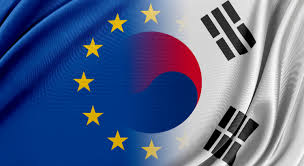
Understanding consumer behavior is the cornerstone of successful market expansion. Yet many brands underestimate just how dramatically shopping habits, preferences, and decision-making processes differ between Korean and European markets. Whether you’re a K-beauty brand eyeing Paris or a European luxury label targeting Seoul, these insights will help you avoid costly missteps and build strategies that resonate.
The Speed Factor: Fast vs. Thoughtful Consumption
Korea: The “Ppalli Ppalli” Culture
Korean consumers operate at a pace that can shock European brands. The term “ppalli ppalli” (quickly, quickly) isn’t just a phrase—it’s a fundamental aspect of Korean consumer culture.
Key characteristics:
- Same-day delivery expectations: Korean consumers expect orders placed before noon to arrive the same day. Coupang’s Rocket Delivery has set this as the standard, not the exception.
- Rapid trend cycles: A product trending on Naver can sell out within 48 hours. The lifecycle of viral products is measured in weeks, not months.
- Immediate gratification: If a website takes more than 3 seconds to load, Korean consumers will abandon their cart at rates significantly higher than European averages.
Example:
When French skincare brand Caudalie entered Korea, they initially maintained their European fulfillment timeline of 3-5 business days. Within the first quarter, they saw a 60% cart abandonment rate. After partnering with a Korean logistics provider offering next-day delivery, conversions increased by 140%.
Europe: The Considered Purchase Journey
Key characteristics:
- Research-heavy decisions: European consumers spend an average of 7-10 days researching products before purchase, especially for items over €50.
- Sustainability scrutiny: 73% of European consumers actively seek information about a brand’s environmental impact before buying.
- Brand heritage matters: European shoppers value longevity, craftsmanship, and brand story over novelty.
Example:
Korean fashion brand Ader Error launched in Europe with the same rapid product drops they used in Seoul—new collections every 2-3 weeks. European consumers found this overwhelming and perceived it as “fast fashion” despite premium pricing. After shifting to quarterly collections with deeper storytelling, their European revenue increased by 85%.
Digital Ecosystem: Super Apps vs. Fragmented Platforms
Korea: The Integrated Experience
Korean consumers live within ecosystem platforms that combine search, social, commerce, and payment in one place.
The major players:
- Naver: Not just search—it’s shopping, reviews, blogs, news, and maps integrated seamlessly
- Kakao: From messaging to payments to ride-hailing, all within KakaoTalk
- Coupang: Amazon-like e-commerce but with entertainment streaming and food delivery built in
Consumer behavior implications:
Korean shoppers expect to discover, research, purchase, and review products without ever leaving their primary app. Cross-platform journeys feel fragmented and frustrating.
Example:
When British tea brand Whittard entered Korea, they initially focused on Instagram and their website. Conversions were disappointing so after establishing a Naver Smart Store and utilizing Naver Shopping integration, their Korean sales tripled within six months. The seamless in-app experience made all the difference.
Europe: The Multi-Platform Journey
European consumers navigate a fragmented digital landscape, moving fluidly between platforms.
Typical journey:
- Discovery on Instagram or TikTok
- Research on Google and YouTube
- Price comparison on dedicated sites
- Purchase on brand website or Amazon Review on Trustpilot or Google Reviews
Consumer behavior implications:
European shoppers expect brand presence across multiple touchpoints. A strong Instagram presence without Google visibility leaves money on the table.
Example:
Korean cosmetics brand COSRX initially replicated their Naver-centric strategy in Europe, investing heavily in a single platform.
After diversifying to include Google Shopping, YouTube tutorials, and Amazon presence, they saw a 200% increase in European customer acquisition.
At Ake, we’ve helped dozens of brands navigate these cultural nuances, building strategies that respect local consumer behavior while maintaining brand integrity. Whether you’re expanding from Korea to EMEA or vice versa, understanding these fundamental differences is your first step toward success.
Ready to expand your brand across markets? Understanding consumer behavior is just one piece of the puzzle.
Contact Ake to develop a comprehensive market entry strategy tailored to your brand’s unique positioning and goals.